The first time it happens you're shocked. A small irritation triggers fury wildly out of proportion. Tears arrive without obvious cause. An hour later you're fine — until something else sets you off. Perimenopausal mood swings feel different from anything most women experienced before, and the lack of warning is part of what's so disorienting. This isn't a character flaw or sign of "going crazy." It's biology, and it's manageable.
This article is for informational purposes only and is not medical advice. Always consult a healthcare provider about persistent mood symptoms.
What perimenopause mood swings actually look like
Mood swings during perimenopause have recognizable features that distinguish them from ordinary moodiness:
- Rapid, dramatic shifts. Going from content to furious to tearful within an hour, often without identifiable trigger.
- Intensity disproportionate to circumstance. A minor inconvenience producing rage. A slightly sad scene producing inconsolable crying.
- Feeling like you're watching yourself. The "I don't recognize this person" experience — knowing your reaction is excessive but unable to control it in the moment.
- Cyclical patterns. Often worst in the late luteal phase (the 7-10 days before period), with relief once bleeding starts.
- Amplification by sleep deprivation. Bad nights = worse next-day mood swings.
- Specific symptom clusters: rage, anxiety, tearfulness, irritability, sudden sadness, emotional numbness, feeling overwhelmed by ordinary tasks.
Many women describe mood swings as the symptom that most threatens their sense of self. Hot flashes are uncomfortable but feel external. Brain fog is frustrating but feels temporary. Mood swings feel like *you* are changing — which they're not.
What's happening in your brain
Estrogen doesn't just regulate reproduction — it's a major regulator of brain chemistry. Specifically:
- Serotonin. Estrogen boosts serotonin production and receptor sensitivity. Serotonin regulates mood, calm, and emotional regulation. When estrogen swings dramatically, serotonin function follows.
- GABA (gamma-aminobutyric acid). The brain's natural anti-anxiety neurotransmitter. Progesterone metabolites act on GABA receptors, producing calming effects. Declining progesterone reduces this buffer.
- Dopamine. Estrogen supports dopamine signaling, which affects motivation, pleasure, and reward processing. Declining estrogen can reduce dopamine function, producing the flatness and reduced motivation many women describe.
- Neuroinflammation. Estrogen has anti-inflammatory effects in the brain. Declining levels can increase neuroinflammation, which affects mood regulation.
When estrogen swings unpredictably during perimenopause — high one week, very low the next — all of these systems become unstable. This isn't a character defect. It's the neurochemical equivalent of a power surge in a complex system, and the system responds with disordered outputs (mood swings).
Why some women get hit harder than others
Mood symptoms aren't distributed equally. Women at higher risk include those with:
- History of severe PMS or PMDD. If you had cyclical mood sensitivity before, perimenopause typically intensifies it.
- Postpartum depression or anxiety history. The brain has demonstrated sensitivity to dramatic hormone shifts.
- Mood sensitivity to hormonal contraception. If birth control pills made you depressed or anxious, perimenopausal mood symptoms are likely.
- Prior depression or anxiety disorders. Risk roughly doubles to quadruples during the transition.
- Family history of perimenopausal mood issues. Significant genetic component.
- High life stress during the transition. Aging parents, teenagers, career demands all compound.
- Sleep apnea (often undiagnosed). Amplifies mood symptoms independent of hormones.
- Thyroid dysfunction. Mimics and worsens mood symptoms.
- Vitamin D deficiency. Strongly correlated with mood symptoms.
If you have multiple risk factors, proactive intervention (earlier consultation with a menopause-trained doctor, considering treatment before symptoms become severe) often produces better outcomes than waiting until crisis.
The cycle pattern most women miss
Mood swings feel random in the moment but usually have a cyclical pattern when tracked. The most common pattern: mood is worst in the late luteal phase (days 7-3 before bleeding), peaking in the 2-3 days right before period starts. A second pattern is an ovulation-time dip. A third is the general worsening from poor sleep nights, regardless of cycle phase.
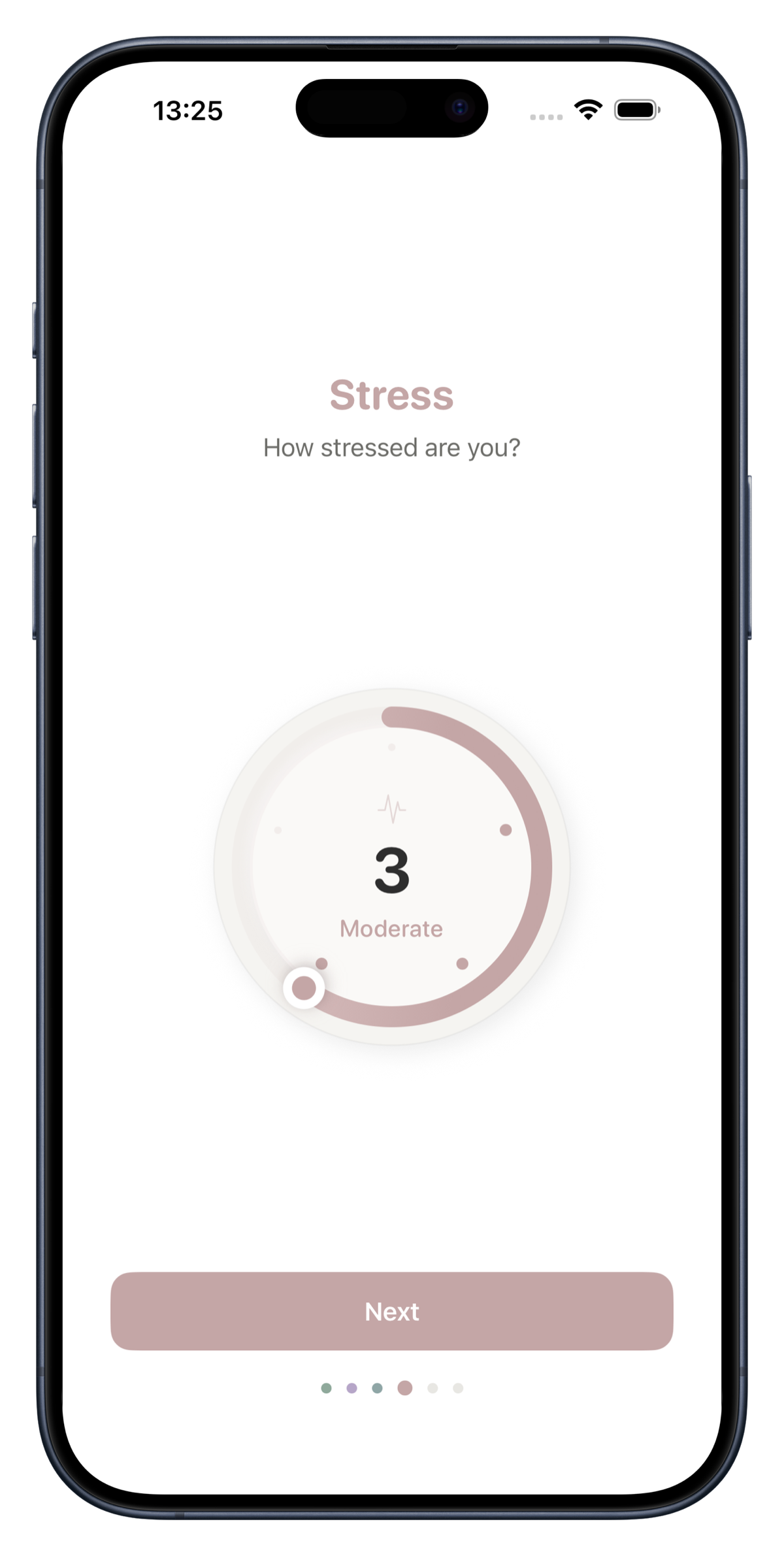
Tracking mood (0-10 daily) alongside cycle phase in Perimosa for 2-3 months usually reveals these patterns clearly. Once you can see them, prevention becomes possible:
- Schedule difficult conversations away from your worst cycle days
- Protect sleep ferociously in the pre-period window
- Plan less ambitious work weeks during predicted hard phases
- Brief your partner about when extra patience is needed
- Pre-emptively manage stress in the week before your period
This isn't avoidance — it's working with your biology instead of against it.
What actually helps: the management stack
Foundation: sleep
Sleep deprivation amplifies mood swings dramatically. One bad night noticeably worsens next-day emotional reactivity. Protecting sleep produces compounding benefits across nearly every other perimenopause symptom. Optimize:
- Bedroom 60-67°F
- Moisture-wicking bedding if night sweats are present
- No alcohol within 3 hours of bed
- No caffeine after noon
- Consistent sleep and wake times
- Treat night sweats directly if they're fragmenting sleep
Eliminate or dramatically reduce alcohol
Among the highest-leverage changes. Alcohol amplifies mood instability for 1-2 days after consumption. The next-day mood crash after even moderate drinking is more severe in perimenopause than at younger ages. Many women report dramatic mood improvement within 2 weeks of cutting alcohol entirely.
Strength training
Has surprisingly strong evidence for mood stabilization. Two to three resistance sessions weekly improves mood, reduces anxiety, and increases sense of agency and confidence. The neurochemical mechanism involves both endorphin and serotonin effects plus the psychological benefit of feeling stronger physically. The ACSM recommends strength training as a core component of mental health support.
Daily stress practice
10-15 minutes daily of meditation, breathing exercises, yoga, or time outdoors reduces baseline cortisol over weeks. The specific practice matters less than consistency. Apps like Calm, Insight Timer, and Headspace make this easier to maintain.
Diet that supports stable blood sugar
Blood sugar swings amplify mood swings. Stabilizing through adequate protein at every meal (30g+), reduced refined sugar and ultra-processed foods, and avoiding long fasting windows produces measurable mood improvement for many women. The Mediterranean dietary pattern has the most evidence for both metabolic and mood support.
Cognitive Behavioral Therapy (CBT)
Has strong evidence for perimenopausal mood symptoms specifically. CBT teaches emotional regulation skills, challenges distorted thinking patterns, and provides tools for managing rage and anxiety in the moment. Can be done with a therapist or via app-based programs.
SSRIs and SNRIs
Effective for mood swings, anxiety, and depression. Notable: paroxetine, escitalopram, and venlafaxine also reduce vasomotor symptoms by 50-60%, making them a strong choice when both mood and hot flashes are problems. Discuss with your doctor — finding the right SSRI/SNRI sometimes requires trying a few.
Hormone replacement therapy
For many women, HRT produces dramatic mood improvement within 4-8 weeks by stabilizing the hormone fluctuations driving symptoms. The Menopause Society's 2022 position statement recognizes mood symptoms as a valid indication for HRT consideration in symptomatic perimenopausal women. Best timing is within 10 years of menopause when benefits typically outweigh risks for most women without contraindications.
What doesn't help (common mistakes)
- "Just power through" approach. Untreated mood instability damages relationships and work, and the damage compounds over years.
- Self-medicating with alcohol. Provides 1-2 hours of relief and 24-48 hours of worsened mood. Net negative.
- Cannabis as primary mood management. Can help acutely but builds tolerance, affects sleep architecture, and often masks rather than addresses underlying issues.
- Avoiding the doctor because "it's just hormones." Effective treatments exist. Suffering for years out of pride or because a previous doctor dismissed you doesn't serve you.
- Trying every supplement at once. Magnesium, vitamin D, omega-3s can all help — but added simultaneously you can't tell which is working. Test one at a time.
- Ignoring sleep apnea symptoms. Untreated sleep apnea makes everything worse. If you're chronically tired and your mood is bad, get screened.
- Believing you've "always been moody." Even if you have, perimenopause makes it dramatically worse. The fact that mood issues are familiar doesn't mean they can't be treated.
When to seek professional help urgently
Some patterns warrant prompt evaluation rather than waiting:
- Persistent low mood lasting 2+ weeks (possible depression)
- Thoughts of harming yourself or others
- Severe rage episodes damaging important relationships
- Inability to function at work or home
- Substance use escalating to cope
- Panic attacks limiting normal activity
- Severe anxiety preventing sleep
None of this is weakness or failure. It's responding appropriately to a real biological challenge with effective tools. The Menopause Society maintains a directory of certified menopause practitioners who take mood symptoms seriously. If you're in immediate crisis, the 988 Suicide & Crisis Lifeline is available 24/7.
The Bottom Line
Perimenopausal mood swings are caused by estrogen's direct effects on the neurotransmitters regulating emotional intensity. They're not a character flaw or sign you're going crazy — they reflect real neurochemical changes that respond to treatment. Track patterns to identify your worst cycle days and prepare for them. Build the foundations: sleep, no alcohol, strength training, stress practice, blood-sugar-stabilizing diet. Use CBT for emotional regulation skills. Consider HRT or SSRIs if symptoms damage your relationships or quality of life.
Most women experience meaningful improvement within 1-2 years post-menopause as hormones stabilize at the new baseline. The peak intensity is finite — but you don't have to suffer through it without help. Effective treatments exist; ask for them.